Make your first pair
Open the game and look at the outer edges and the single tile on top of the stack. Find two open tiles with the same picture. Select the first tile: it rises slightly. Select its partner: both tiles lift, meet, and disappear. The tile counter drops from 144 to 142.
The clock stays at 10:00 while you inspect the opening board. It starts only when you successfully remove your first pair. You can use Hint before that first pair without losing points. Selecting a tile, changing your selection, or clicking a blocked tile does not start the clock.
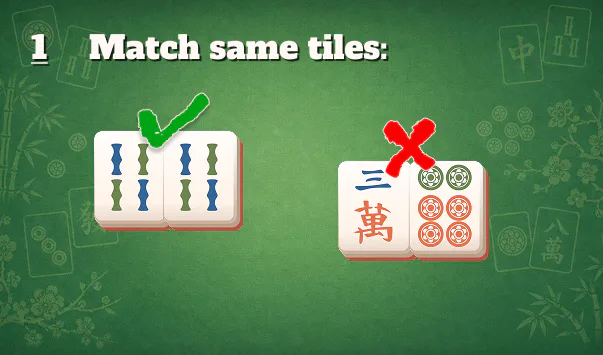
Clicked the wrong open tile? Select it again to cancel. Selecting a different, non-matching open tile moves the selection to that tile; it does not remove either tile or deduct points.
Visible is not always open
A playable tile has to pass two separate checks. First, no remaining tile may cover it from a higher layer. Second, its left side or right side must be clear. Having space above or below a tile on the same layer does not help if both horizontal sides are blocked.
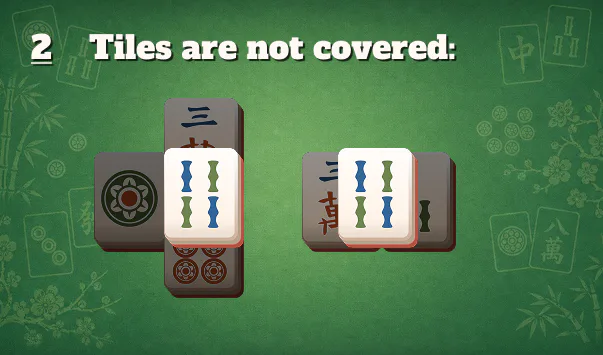
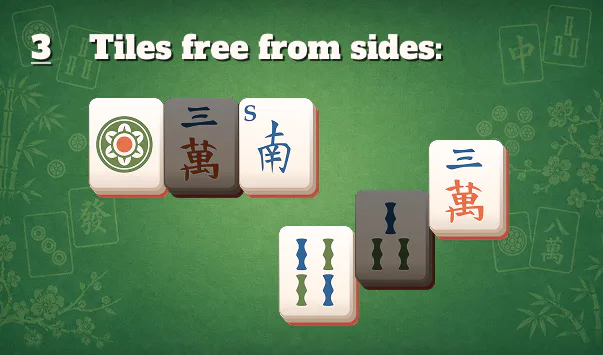
If a tile shakes when selected, check the layer above it and both horizontal neighbors. Clear the blocker first, then return to it. An open tile may still have no matching partner; open and matchable are not the same thing.
Learn the two matching exceptions
Characters (numbers), bamboo, dots, winds, and dragons require identical symbols. The four flowers form one matching family and the four seasons form another. A plum flower can match an orchid flower. Spring can match winter. A flower cannot match a season, even if both show the same small number.
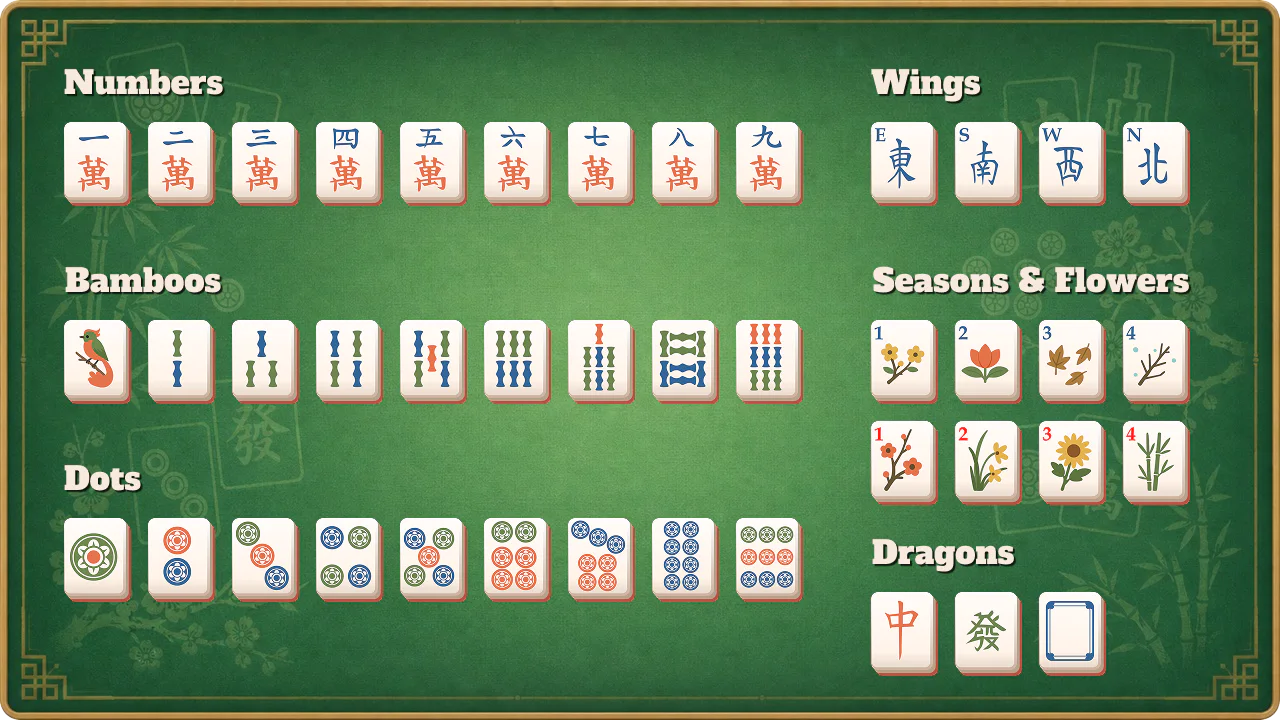
The small numbers on flowers and seasons identify the illustrations; they are not a rule requiring matching numbers. For the full tile counts, see the 144-tile reference.
A useful first-round routine
- Before the clock starts: locate the top tile's partner and inspect the long outside rows. Do not remove a pair simply because it is the first one you notice.
- After each match: look at the space you opened. A newly uncovered tile or freed edge may offer a better next move than a distant pair you had already planned.
- When three identical tiles are open: compare what each choice would uncover. There is a worked example with three copies in the strategy guide.
- If you get stuck searching: use Hint. It identifies one legal pair, not a guaranteed winning move. Later hints have a score cost described in the Hint rules.
Open Matches counts possible pairs, not the number of tiles that can be clicked. Three open copies of one symbol create three possible pairs, even though you can remove only one of those pairs immediately.
Finishing and starting again
A round ends when you clear the board, run out of time, or have no legal pairs left. The result shows both completion and remaining tiles. A loss with a high completion percentage is still a useful result: consider which long row or stack stayed locked.
New asks you to confirm before replacing the current board. There is no Undo or Shuffle. Scores shows records saved in this browser, not scores from other players worldwide. Refreshing or closing the page loses an unfinished round.
On a phone, turn the screen sideways for larger tiles. You can scroll below the board to read the guide. If a tile picture has not loaded, refresh once and check the connection before starting a timed round.